Luxury Car Market Trends 2026
The luxury automotive world is shifting faster than ever, shaped by intelligence, sustainability, and deeply personalized driving experiences. What once revolved around engine size and brand prestige is now evolving into a complex ecosystem of digital luxury, emotional design, and data-driven mobility choices.
Across global markets, analysts are increasingly focused on the premium vehicle demand outlook, which signals how wealth distribution, electrification, and AI integration are reshaping the future of high-end mobility. This outlook is no longer just a forecast, it is a reflection of how modern consumers define identity through vehicles that think, adapt, and respond.
Evolution of the Global Luxury Car Market
The luxury car market trends are no longer linear; they are expanding into a multidimensional ecosystem where personalization, sustainability, and technology intersect. The global market is being redefined by shifting expectations, especially from younger affluent buyers who value experience over possession.
Today, luxury is no longer static. It evolves with the driver, adapting through software updates, AI learning systems, and connected services that extend beyond the vehicle itself. The industry is now closer to a digital lifestyle platform than a traditional automotive sector.
The shift is so profound that industry analyst Jonathan Mercer from the Automotive Futures Institute stated, “Luxury mobility is no longer about ownership, it is about continuous access to evolving intelligence on wheels.”
Rising demand for personalized luxury vehicles
Personalization is becoming the defining pillar of modern automotive prestige. Buyers now expect interiors that reflect emotional states, driving habits, and lifestyle preferences. This demand significantly strengthens the luxury car market trends, particularly in bespoke manufacturing and AI-driven customization.
Long-tail searches like custom luxury car configuration trends 2026 and AI personalized vehicle interior systems highlight how deeply consumers are engaging with hyper-tailored mobility experiences.
Growth of hybrid and electric luxury models
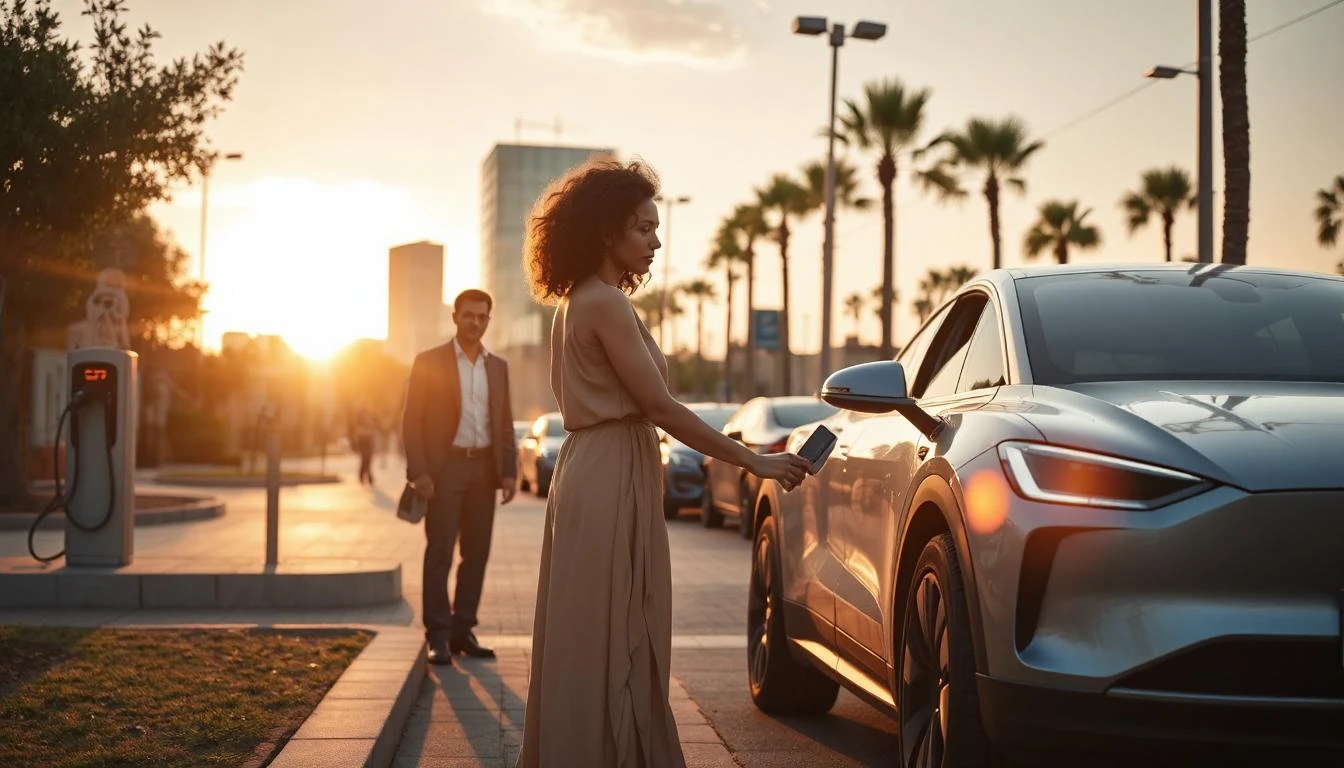
Electrification is no longer a future concept, it is the present standard in the premium segment. The rise of electric performance vehicles demonstrates how sustainability and speed now coexist seamlessly. The luxury car market trends show rapid expansion in electric SUVs, hybrid supercars, and zero-emission grand tourers.
LSI relevance appears in terms such as electric mobility ecosystems, sustainable luxury engineering, and high-performance EV architecture.
Emerging markets driving premium car sales
New economic powerhouses are reshaping global demand patterns. Wealth expansion in Asia, the Middle East, and parts of Africa is accelerating luxury adoption. These regions are not just consumers, they are influencers of design, technology, and brand positioning.
Emerging buyers are redefining expectations, demanding digital-first ownership models and localized luxury experiences that reflect cultural identity.
Technology Shaping Luxury Vehicles
Modern vehicles are transforming into intelligent systems that respond, learn, and evolve. This technological revolution is a key driver behind the shifting luxury car market trends, where innovation determines desirability.
Luxury vehicles are no longer passive machines. They are active digital ecosystems, constantly communicating with infrastructure, users, and cloud-based intelligence networks.
Advanced driver assistance innovations
Driver assistance systems are becoming central to luxury safety architecture. Adaptive navigation, predictive hazard detection, and semi-autonomous driving features are now standard expectations in high-end models.
These advancements also strengthen consumer trust in the evolving luxury car market trends, where safety and autonomy are merging into one seamless experience.
AI powered in-car experiences
Artificial intelligence is redefining what it means to interact with a vehicle. Cars now learn driving habits, predict route preferences, and even adjust interior environments based on mood analysis.
The luxury car market trends clearly show a shift toward emotionally intelligent mobility systems.
A leading automotive strategist, Dr. Helena Roth, noted, “The next generation of luxury vehicles will not just respond to commands, they will anticipate human intention before it is spoken.”
Connected vehicle ecosystems and smart features
Connectivity is the backbone of modern luxury mobility. Vehicles now integrate with smart homes, wearable devices, and digital calendars, creating a unified lifestyle system.
This integration enhances convenience while reinforcing the broader luxury car market trends, where digital continuity defines premium ownership.
Consumer Preferences in 2026
Consumer expectations are evolving rapidly, reshaping how manufacturers design, market, and deliver luxury vehicles. The modern buyer is informed, selective, and deeply value-driven.
The luxury car market trends reflect a clear shift toward meaningful ownership experiences rather than symbolic status alone.
Sustainability as a luxury standard
Sustainability is now embedded into the definition of luxury. Eco-conscious materials, carbon-neutral production, and regenerative design principles are becoming essential.
This transformation aligns strongly with global luxury car market trends, where environmental responsibility is now part of premium identity.
Exclusive ownership and membership programs
Ownership is evolving into membership-based access. Buyers are increasingly drawn to curated driving experiences, concierge services, and flexible vehicle access models.
These developments reinforce new interpretations of the luxury car market trends, where exclusivity is defined by experience rather than permanence.
Digital retail experiences for luxury buyers
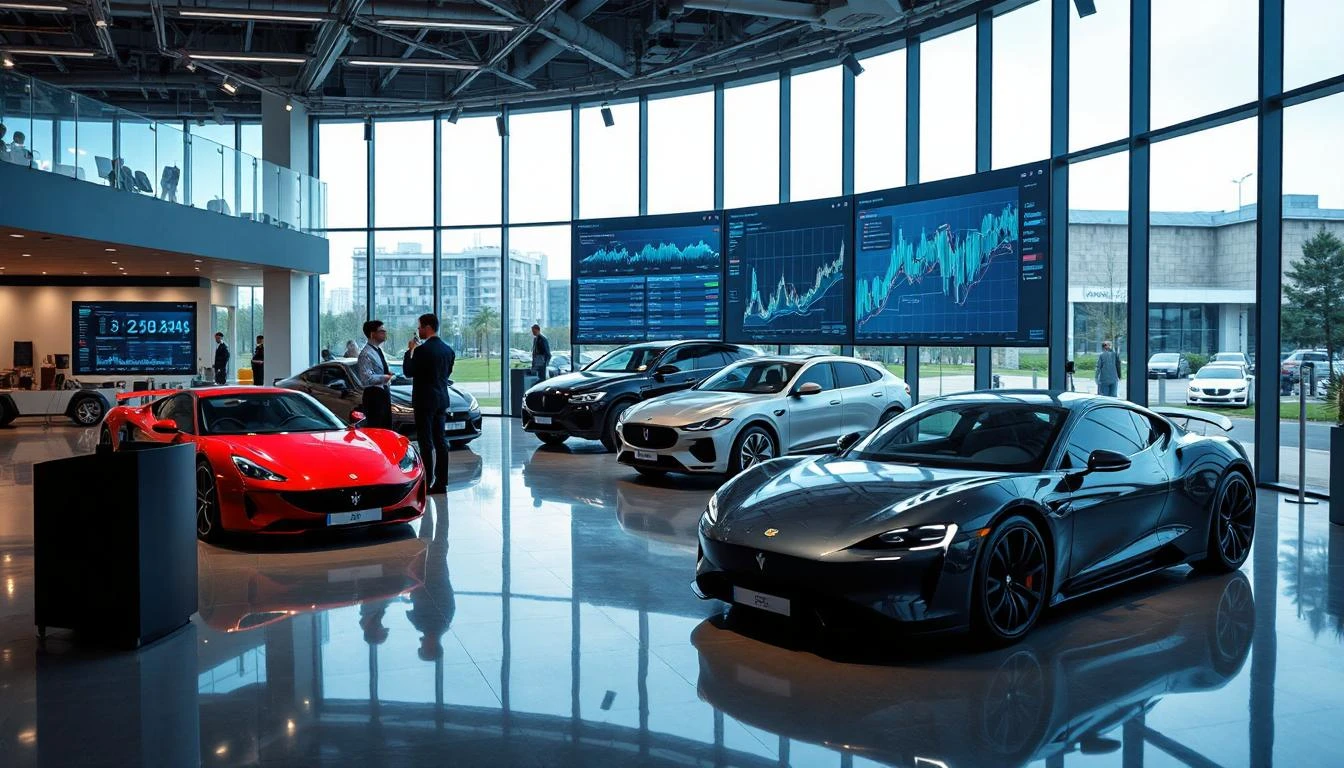
The purchasing journey has shifted dramatically toward digital platforms. Virtual showrooms, augmented reality previews, and AI-assisted configuration tools are now standard in luxury retail.
This evolution supports the broader luxury car market trends, making the buying experience as refined as the vehicles themselves.
Luxury Brand Competition and Market Leaders
Competition among luxury automotive brands is intensifying as innovation cycles accelerate. Traditional leaders are being challenged by agile electric newcomers who prioritize software-driven performance and digital ecosystems.
The luxury car market trends highlight a competitive landscape where emotional branding, technological superiority, and sustainability credentials determine market dominance.
As automotive expert Richard Calder states, “In the luxury segment, the winner is not the fastest builder, it is the fastest adapter to human desire.”
Brands that once relied solely on heritage are now investing heavily in AI systems, electrification platforms, and immersive ownership experiences.