Car Trends Transforming 2026
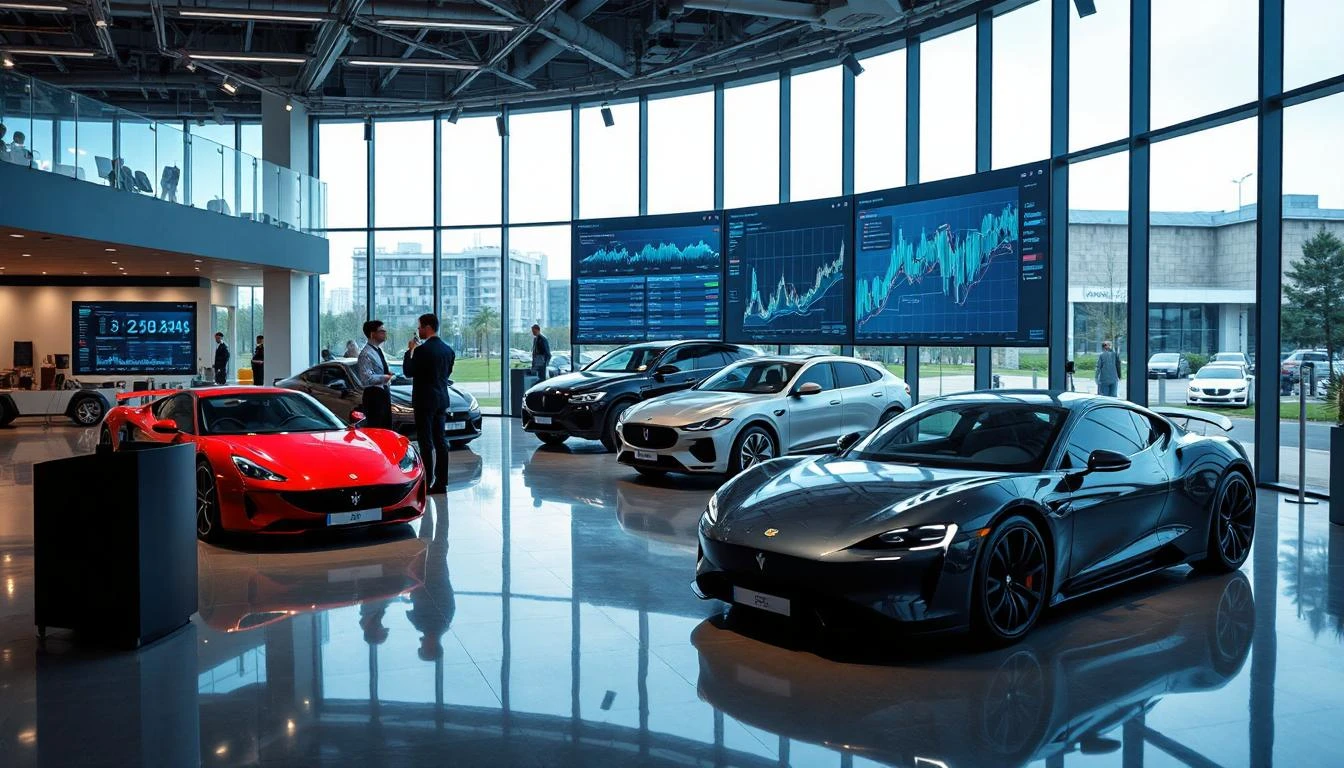
The automotive world is shifting into a phase where intelligence, electrification, and digital ecosystems redefine what mobility truly means. What was once a mechanical industry is now evolving into a data-driven, software-centric universe that continuously adapts to human behavior and global demand. You are no longer observing simple transportation upgrades, you are witnessing a structural transformation of mobility itself.
The future mobility innovation outlook reveals how deeply interconnected systems are reshaping the entire automotive ecosystem, from production lines to user experience. At the same time, car trends transforming 2026 are accelerating this shift by merging artificial intelligence, electrification, and digital marketplaces into one seamless mobility network that learns, predicts, and evolves with every interaction.
Major Automotive Shifts in 2026
The automotive industry is no longer progressing in linear steps. Instead, it is undergoing a rapid convergence of technologies, regulations, and consumer expectations that are redefining its foundation. This shift is not subtle, it is structural, global, and irreversible.
The future mobility innovation outlook plays a central role here, showing how manufacturers are repositioning themselves as mobility tech companies rather than traditional automakers. Meanwhile, the car trends transforming 2026 highlight how every segment of the industry is being reshaped by electrification and digital integration.
Electrification across all vehicle segments
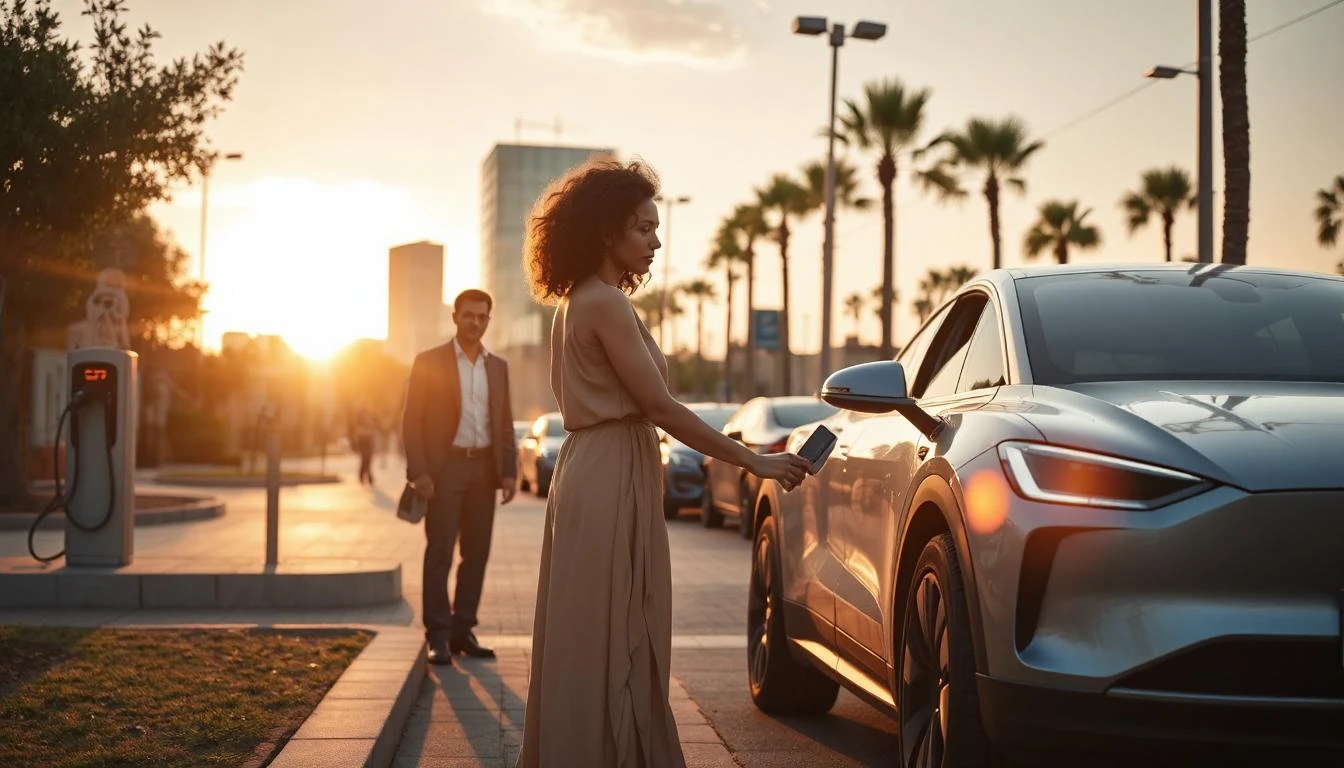
Electric mobility is no longer limited to compact city cars. It is expanding across SUVs, commercial fleets, luxury vehicles, and even long-haul transport systems. The rise of EV adoption trends 2026 reflects increasing demand for cleaner, more efficient transportation solutions. Battery advancements, faster charging infrastructure, and government incentives are accelerating this shift. As noted by Dr. Elena Martinez, a transportation systems researcher, “Electrification is no longer a trend, it is the baseline of future mobility architecture.”
Expansion of connected car technologies
Connected vehicles are becoming digital hubs on wheels. Through IoT integration and cloud-based ecosystems, cars now deliver real-time navigation, predictive maintenance alerts, and personalized infotainment systems. The emergence of the smart mobility ecosystem is turning vehicles into fully connected devices that interact seamlessly with cities, infrastructure, and other vehicles.
Increased focus on sustainability initiatives
Sustainability is now embedded in every stage of automotive development. Manufacturers are investing in carbon-neutral production, recyclable materials, and green logistics. This aligns with global green transportation strategies, where environmental responsibility is no longer optional but expected. According to James Holloway, an automotive sustainability analyst, “The industry’s credibility in the next decade will depend on how seriously it treats its environmental footprint.”
Smart Technology Driving Change
Technology is no longer a supporting element in automotive design, it is the core engine of innovation. Vehicles are evolving into intelligent systems capable of learning, adapting, and interacting with their environment in real time.
The car trends transforming 2026 demonstrate how deeply software integration is influencing performance, safety, and user experience. At the same time, the future mobility innovation outlook continues to emphasize the central role of AI, connectivity, and automation in shaping modern transportation systems.
AI assisted driving systems
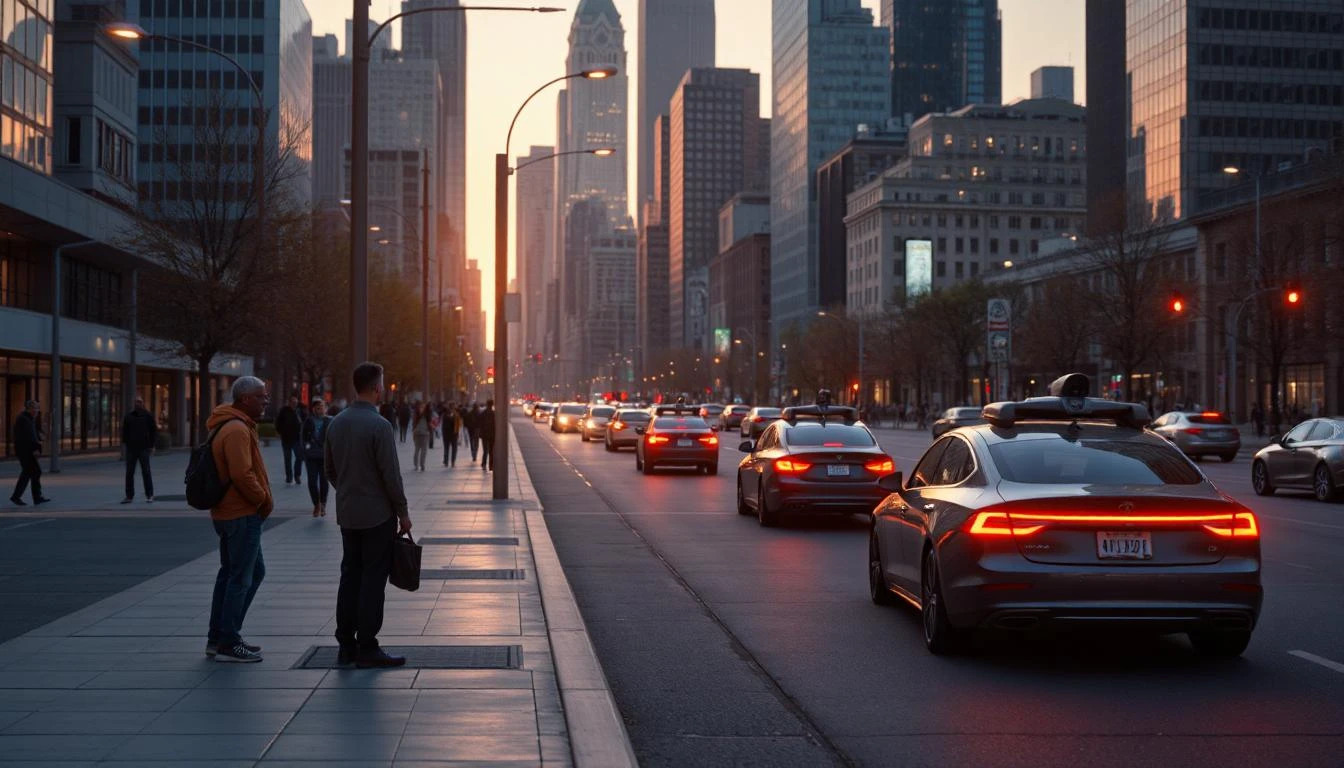
Artificial intelligence is redefining how vehicles perceive and respond to the road. From adaptive cruise control to semi-autonomous navigation, AI-driven systems are enhancing safety and efficiency. The rise of autonomous driving technology 2026 is gradually reducing human error while improving traffic flow in urban environments.
Over the air software updates
Modern vehicles are now continuously evolving through OTA updates. Instead of static machines, cars function as dynamic software platforms that improve over time. This shift allows manufacturers to fix issues, enhance performance, and introduce new features remotely, without requiring physical service visits.
Vehicle to vehicle communication advancements
Vehicles are increasingly connected through V2V communication networks, sharing real-time data on speed, hazards, and road conditions. This interconnected system enhances road safety and supports the development of smart cities where traffic flows are optimized dynamically.
Consumer Behavior and Market Transformation
Consumer expectations are evolving just as rapidly as the technology behind modern vehicles. The automotive market is shifting from ownership-based models to experience-driven ecosystems where flexibility and personalization dominate.
The future mobility innovation outlook highlights this behavioral shift, while the car trends transforming 2026 reflect how mobility services and digital platforms are reshaping consumer decision-making processes.
Changing ownership preferences
Traditional car ownership is gradually losing dominance. Consumers are increasingly choosing subscription-based models and flexible leasing options that align with changing lifestyles and financial priorities.
Growth of mobility services
Mobility-as-a-Service platforms are transforming urban transportation. Ride-sharing, car-sharing, and autonomous taxi networks are reducing dependence on private vehicles, especially in densely populated cities.
Demand for personalized vehicle experiences
Modern consumers expect vehicles to adapt to their preferences. From seating configurations to entertainment systems, personalization is becoming a key differentiator in automotive design. The smart mobility ecosystem enables these tailored experiences through data-driven customization.
Future Mobility and Industry Innovation
The automotive industry is entering a phase where boundaries between technology, transportation, and digital ecosystems are disappearing. The integration of AI, electrification, and connectivity is creating a unified mobility environment that responds intelligently to human needs.
The future mobility innovation outlook suggests that the next decade will be defined by autonomous systems, predictive analytics, and fully integrated transportation networks. In this evolving landscape, innovation is no longer optional, it is survival.
As Mark Delaney, a global mobility strategist, states, “The future of transportation will not be about owning vehicles, but about accessing intelligent mobility on demand.” This perspective captures the direction in which the industry is moving, toward fluid, adaptive, and service-oriented mobility systems.